How to Use Your College Career Center (Most Students Don't)
Your college career center offers resume reviews, mock interviews, career assessments, job boards, and employer connections. Here is how to use it each year.
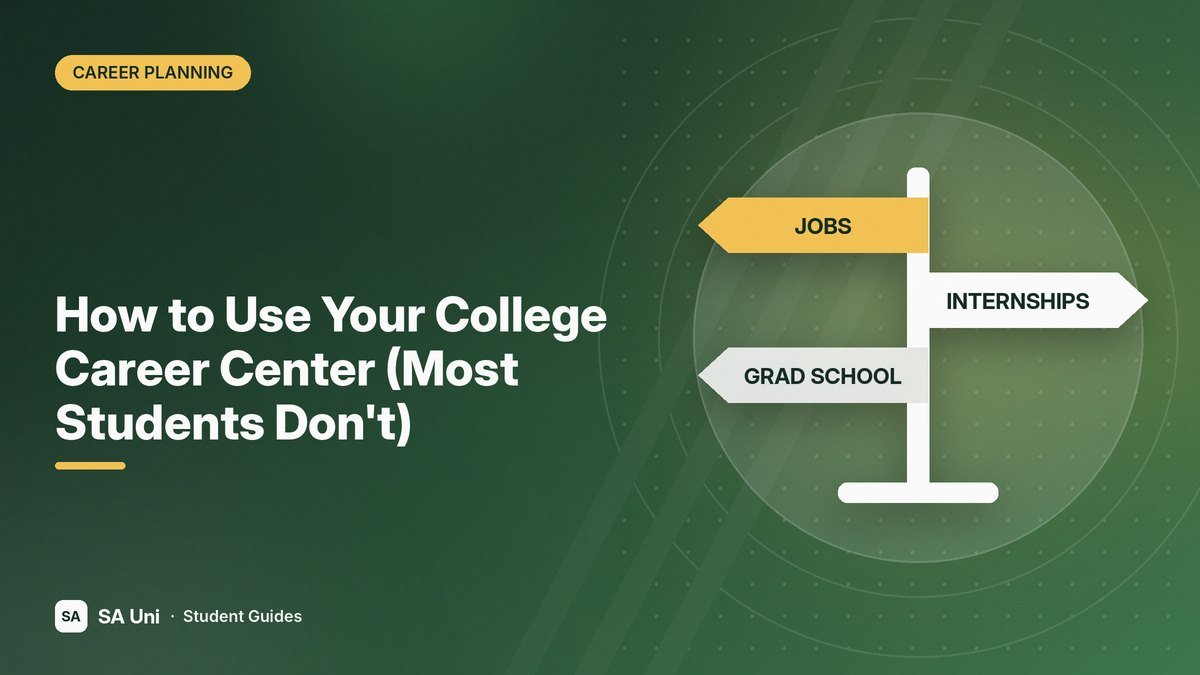
Most colleges have a career center filled with experienced advisors, employer connections, and resources designed to help students plan their future. Yet many students never visit until senior year, if at all. Using your career center early and often can make a major difference in finding internships, choosing a major, and landing your first job.
What Career Centers Offer
Services vary by college, but most career centers provide:
- Career advising: One-on-one appointments to explore majors, careers, and goals.
- Career assessments: Tools that help connect your interests, values, and strengths with possible careers.
- Resume and cover letter reviews: Personalized feedback on your application materials.
- Mock interviews: Practice interviews with feedback, sometimes recorded.
- Job and internship boards: Listings from employers looking specifically to hire students from your college.
- Career fairs and employer events: Opportunities to meet recruiters face-to-face or virtually.
- Alumni networking: Connections with graduates working in many fields.
- Graduate school advising: Help with personal statements and application planning.
- Professional clothing closets: Some colleges lend or give free professional attire for interviews.
A Four-Year Career Center Plan
First Year: Explore
- Visit the career center and meet an advisor.
- Take a career interest assessment.
- Create a basic resume.
- Attend a career fair just to observe and practice talking with employers.
- Look for on-campus jobs or volunteer opportunities.
Second Year: Experiment
- Narrow your major and career interests.
- Conduct informational interviews with alumni.
- Apply for your first internships, research positions, or summer jobs.
- Create a LinkedIn profile with help from your career center.
Third Year: Gain Experience
- Apply for internships in your target field.
- Complete mock interviews before real ones.
- Attend employer information sessions and networking events.
- Explore graduate school options if relevant.
Fourth Year: Launch
- Begin full-time job searches early, often in the fall.
- Get help evaluating job offers and negotiating salary.
- Prepare graduate school applications.
- Keep using career services after graduation; many colleges offer support to alumni.
How to Prepare for Your First Appointment
- Book an appointment through your college's career platform.
- Bring a draft of your resume, even if it is rough.
- Write down questions, such as "What careers fit my major?" or "How do I find an internship in marketing?"
- Be open about your uncertainty. Advisors help undecided students all the time.
- Follow up on recommendations and schedule your next meeting.
Making the Most of Career Fairs
- Review the list of attending employers in advance.
- Prioritize five to ten organizations to visit.
- Prepare a 30-second introduction: your name, year, major, interests, and why you are interested in the company.
- Bring printed resumes if the fair is in person.
- Ask thoughtful questions and collect contact information.
- Send follow-up emails within a day or two.
Common Myths About Career Centers
"Career centers are only for business majors."
Career centers serve students in every major, including arts, humanities, sciences, and social sciences.
"I don't need help until senior year."
Many internship and job opportunities require planning years in advance. Early exploration makes later decisions easier.
"They'll just tell me what to do."
Career advisors help you explore options and build skills. You make the decisions.
Online Career Resources
Many career centers provide online resume builders, interview practice tools, career exploration databases, and webinars. Online and commuter students can typically use virtual appointments as well.
The Bottom Line
Your career center is one of the most valuable and underused resources on campus. Visit early, use services throughout college, and build a relationship with an advisor. The support you receive can help you choose a direction, gain experience, and launch a successful career.
This guide is for general educational purposes. Policies, deadlines, and requirements change — always confirm details with the official source or your school. See our disclaimer.